In today's fast-paced digital world, website performance is paramount. Users expect instant loading, and search engines reward sites that deliver a swift experience. Images often account for a large portion of page weight. This is where Image Content Delivery Networks (CDNs) become indispensable, transforming how visual content is delivered globally.
What is an Image CDN?
An Image CDN is a specialized content delivery network designed to optimize, store, and deliver images efficiently across the globe. Unlike general-purpose CDNs, image CDNs focus on the unique challenges of image files, which vary in size, format, and resolution. They act as an intermediary, ensuring images reach users faster and in optimal quality.
How Image CDNs Boost Global Performance
Image CDNs employ advanced techniques to dramatically improve image delivery speed and efficiency.
Global Distribution Through Edge Servers
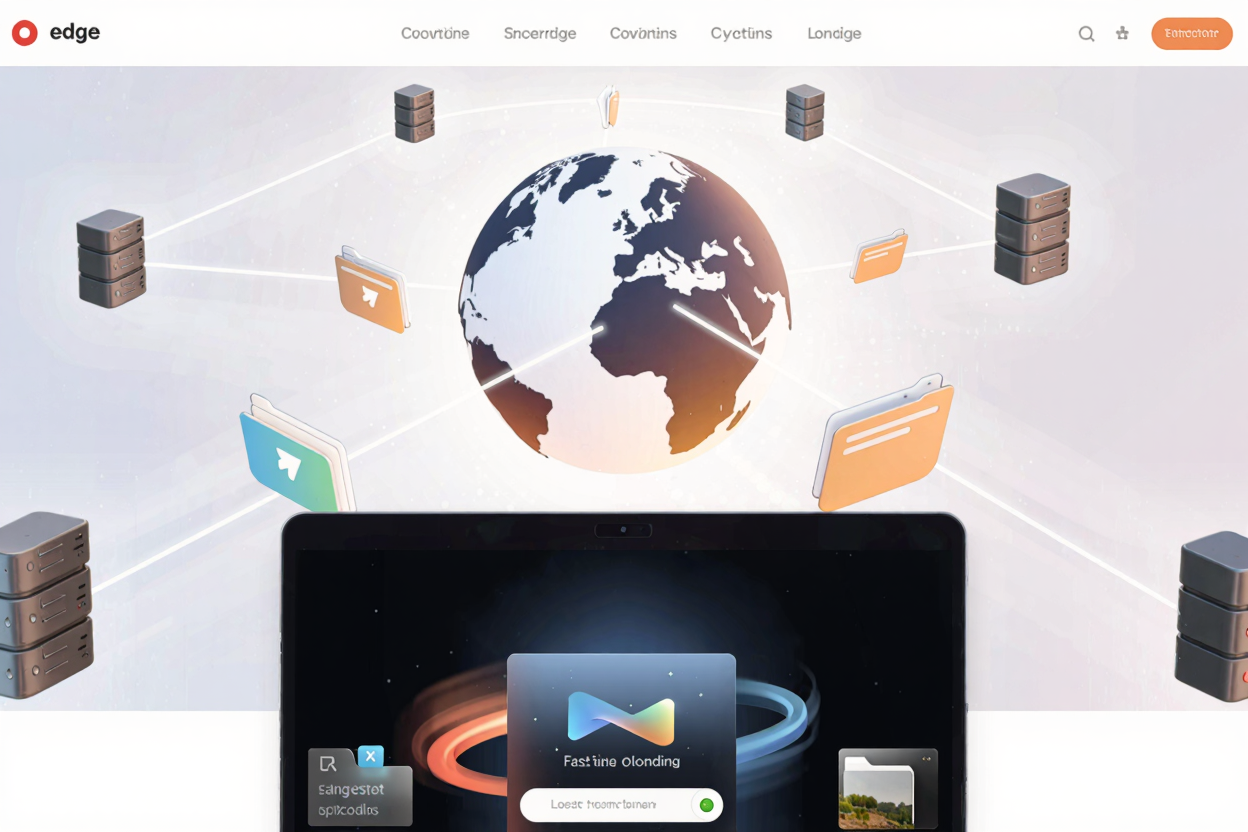
The core principle of any CDN is distributing content across a network of geographically dispersed servers, known as edge servers. When a user requests an image, it's served from the closest available edge server, significantly reducing latency. This proximity minimizes data travel distance, resulting in faster load times globally.
Automatic Image Optimization
One of the most powerful features of an image CDN is its ability to automatically optimize images on the fly. This includes resizing, applying advanced compression, and converting to modern formats like WebP or AVIF. Users receive the smallest image file without quality compromise. Before images even hit the CDN, utilizing a PNG optimization tool can further enhance efficiency by reducing initial file sizes.
Intelligent Caching Mechanisms
Image CDNs utilize sophisticated caching strategies to store optimized image versions at edge locations. Once an image is requested, that version is cached. Subsequent requests from users in the same region will be served directly from the cache, delivering images instantly.
Reduced Server Load and Bandwidth Costs
By offloading image serving and optimization tasks to the CDN, your origin server experiences significantly less strain. This frees up resources, improving website responsiveness. Furthermore, CDNs can dramatically reduce bandwidth costs by delivering optimized, smaller files directly to users.
Key Benefits for Your Website
Implementing an image CDN offers a multitude of advantages that directly impact your website's success.
Faster Page Load Times
The most immediate benefit is a dramatic reduction in page load times. Faster loading pages enhance user experience, leading to lower bounce rates and higher engagement. Visitors are more likely to stay and explore.
Improved Core Web Vitals
Google's Core Web Vitals are crucial ranking factors. Image CDNs directly contribute to better scores for Largest Contentful Paint (LCP) and Cumulative Layout Shift (CLS). By serving optimized images quickly, they ensure efficient loading without unexpected layout shifts.
Enhanced SEO Performance
Search engines prioritize fast-loading websites. By improving page speed and Core Web Vitals, an image CDN can significantly boost your website's search engine rankings. This visibility translates into more organic traffic.
Scalability and Reliability
Image CDNs are built to handle high traffic volumes and sudden spikes in demand without performance degradation. Their distributed architecture ensures high availability, meaning your images remain accessible. This robust infrastructure provides peace of mind.
Streamlined Workflow
For developers and content managers, image CDNs simplify image handling. They automate optimization, resizing, and format conversion, eliminating manual processing. This allows teams to focus on content creation. Even with CDNs, pre-optimizing your images with tools that compress your PNG files for free provides an excellent baseline for further CDN optimizations.
Choosing the Right Image CDN
When selecting an image CDN, consider global network reach, integration capabilities, pricing, and specific optimization features. Evaluate alignment with your website's traffic and image content needs. For specific PNG compression needs, a dedicated <a href="https://convertminify.com/tools/compress-png" target="_blank" rel="noopener noreferrer">PNG Compressor</a> can be a valuable addition to your workflow.
Conclusion
Image CDNs are no longer a luxury but a necessity for any website aiming for global reach and optimal performance. By optimizing and distributing visual content, they unlock faster load times, superior user experiences, and improved SEO.
FAQ
Q1: What's the main difference between an image CDN and a regular CDN?
A: An image CDN specializes in advanced image optimization (format conversion, resizing, compression) tailored for visual assets. A regular CDN primarily caches and distributes all types of static content.
Q2: Do I still need to optimize my images before uploading them to an image CDN?
A: Yes. While image CDNs optimize on-the-fly, starting with pre-optimized images reduces initial file size, speeds up the first request, and saves bandwidth. This ensures the CDN has the best source to work with.
Q3: Can an image CDN help with my website's Core Web Vitals?
A: Absolutely. Image CDNs directly impact Core Web Vitals like Largest Contentful Paint (LCP) by delivering optimized images quickly. They also help minimize Cumulative Layout Shift (CLS) by ensuring images load at correct dimensions.
Ready to give your website a performance boost? Start by ensuring your images are as lean as possible. You can easily compress your PNG files for free and lay a strong foundation for lightning-fast loading speeds, whether you're using a CDN or not.